South Africa
Why visit South Africa?
South Africa offers a truly unique and enriching travel experience.
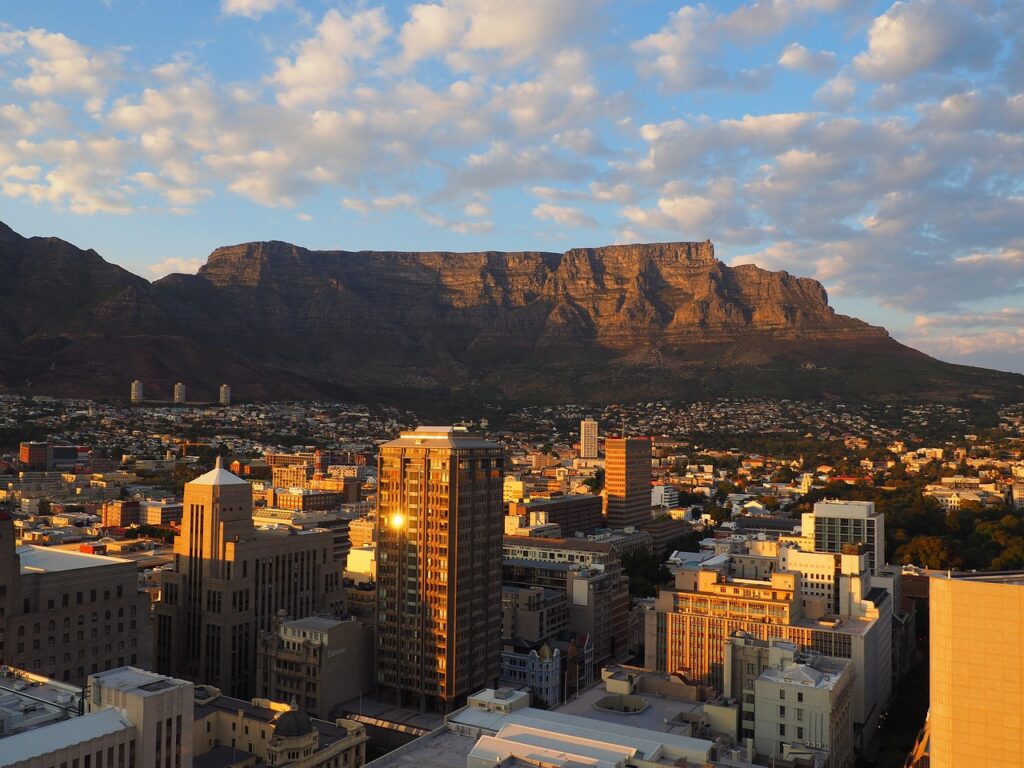
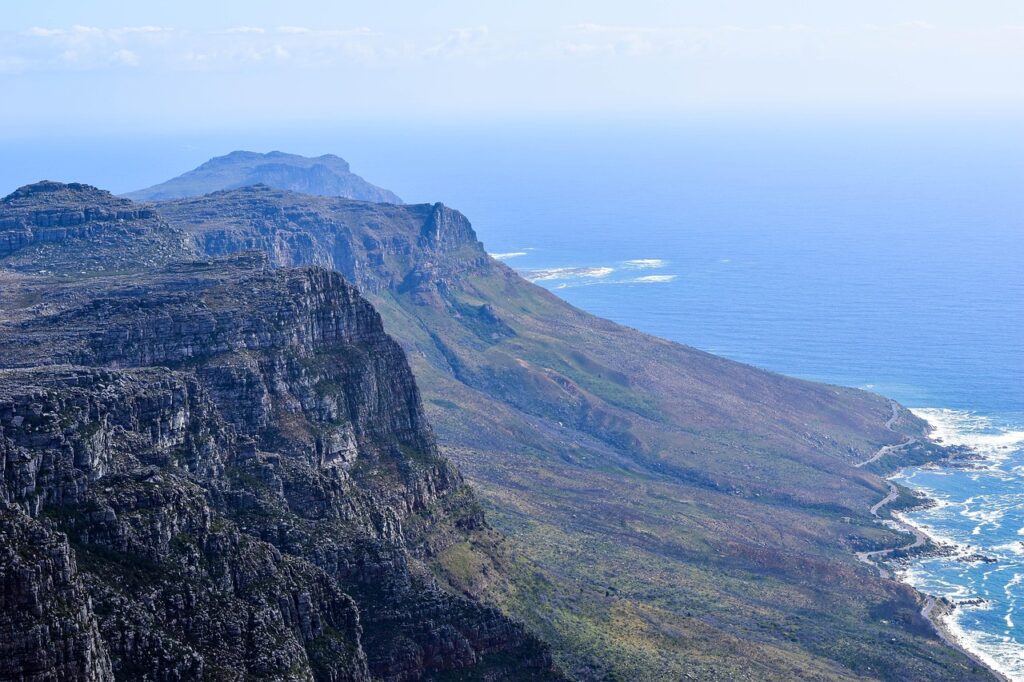
It’s a unique destination where you can witness the Big Five on a world-class safari in Kruger National Park and, on the same trip, explore the cosmopolitan buzz of Cape Town, with its iconic Table Mountain and beautiful beaches.
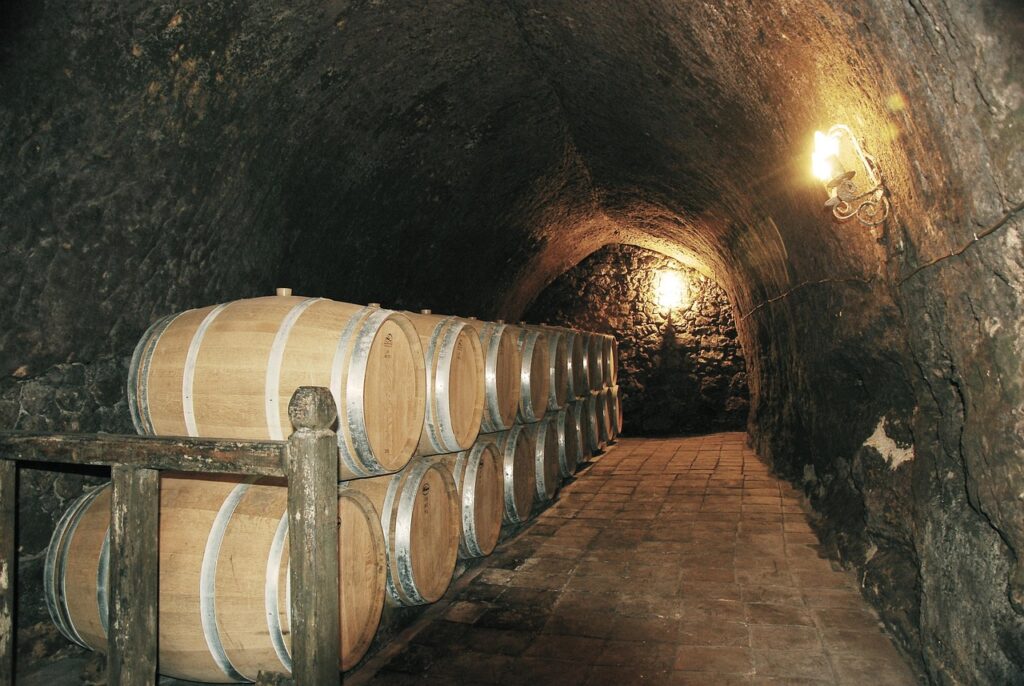
Known as the “Rainbow Nation,” its culture is rich, vibrant, and welcoming. You can trace the footsteps of Nelson Mandela at historic sites like Robben Island and the Apartheid Museum, then explore the Winelands of Stellenbosch and Franschhoek, which produce some of the world’s finest wines.
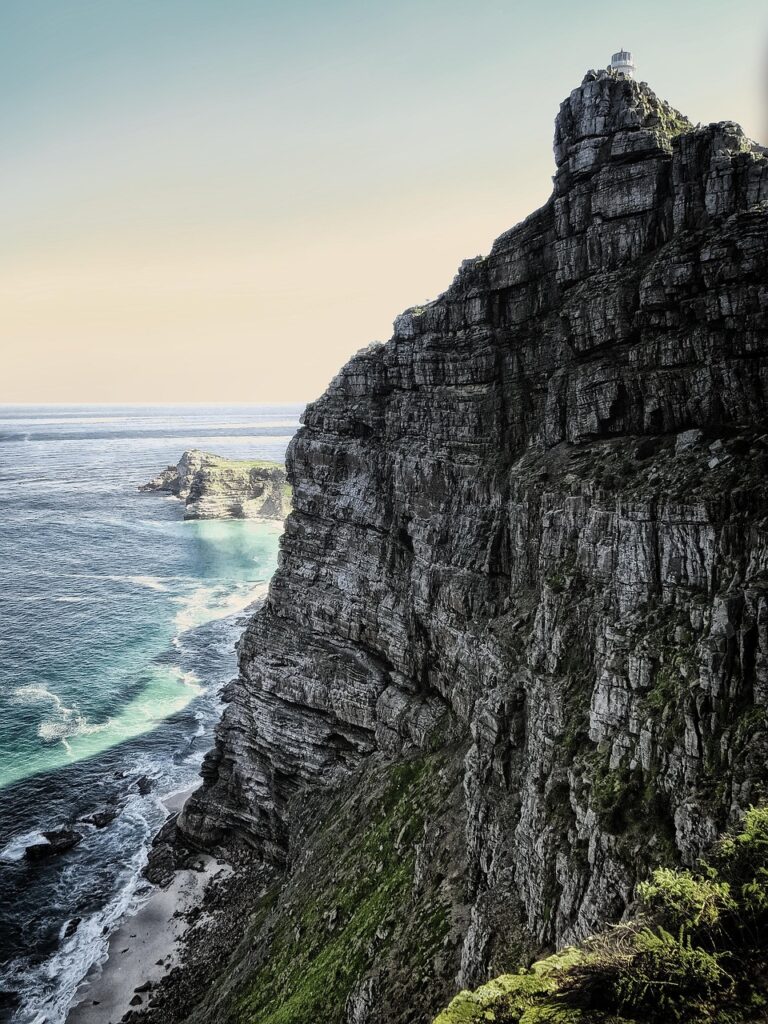
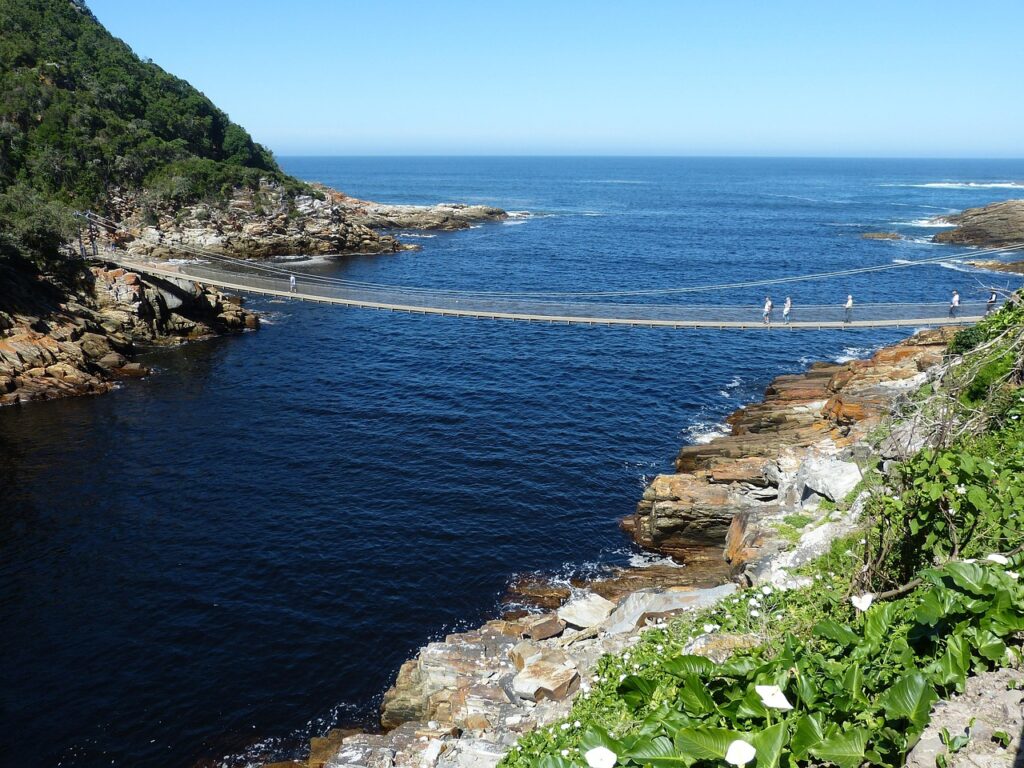
The country boasts stunning natural diversity, from the scenic Garden Route coastline and the dramatic peaks of the Drakensberg Mountains to the unique penguin colony at Boulders Beach. For the adventurous, it is also a global capital for adrenaline-fueled activities.
South Africa Wildlife Safaris
South Africa is celebrated globally as a premier safari destination, offering an incredible diversity of wildlife experiences that cater to every type of traveler, from luxury seekers to budget-conscious self-drivers and families with young children.
Kruger National Park
No discussion of South African safaris is complete without mentioning the Kruger National Park. As one of Africa’s largest and most famous game reserves, it offers a classic, expansive wilderness experience:
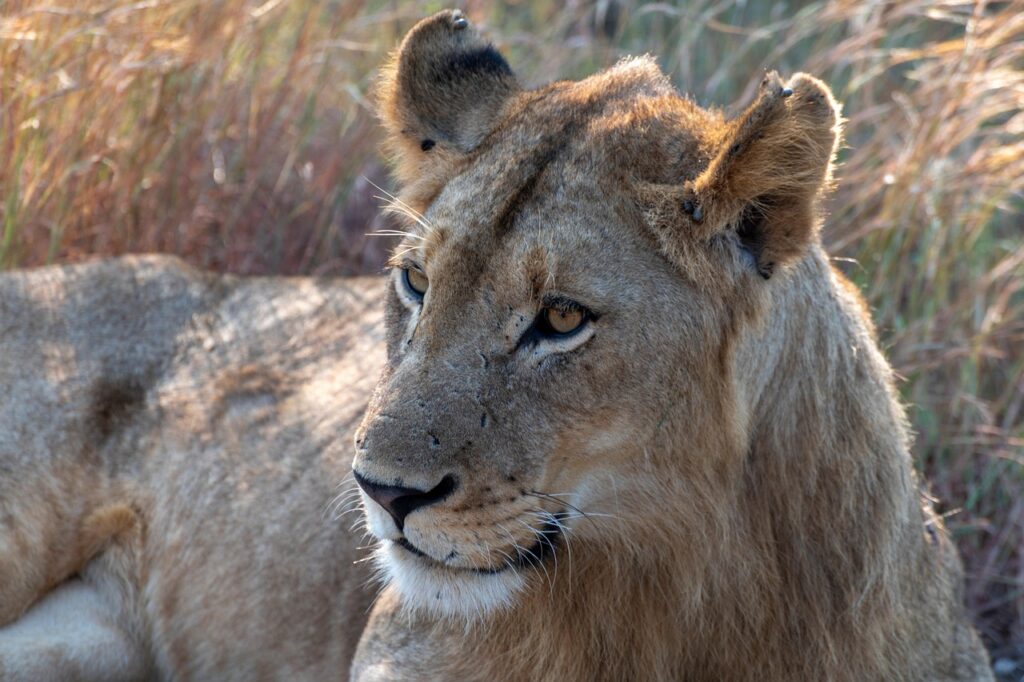
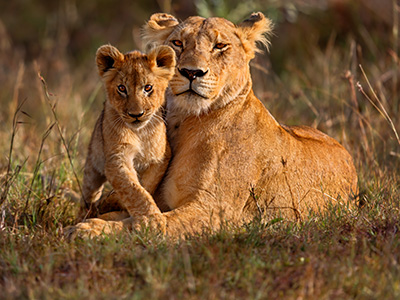
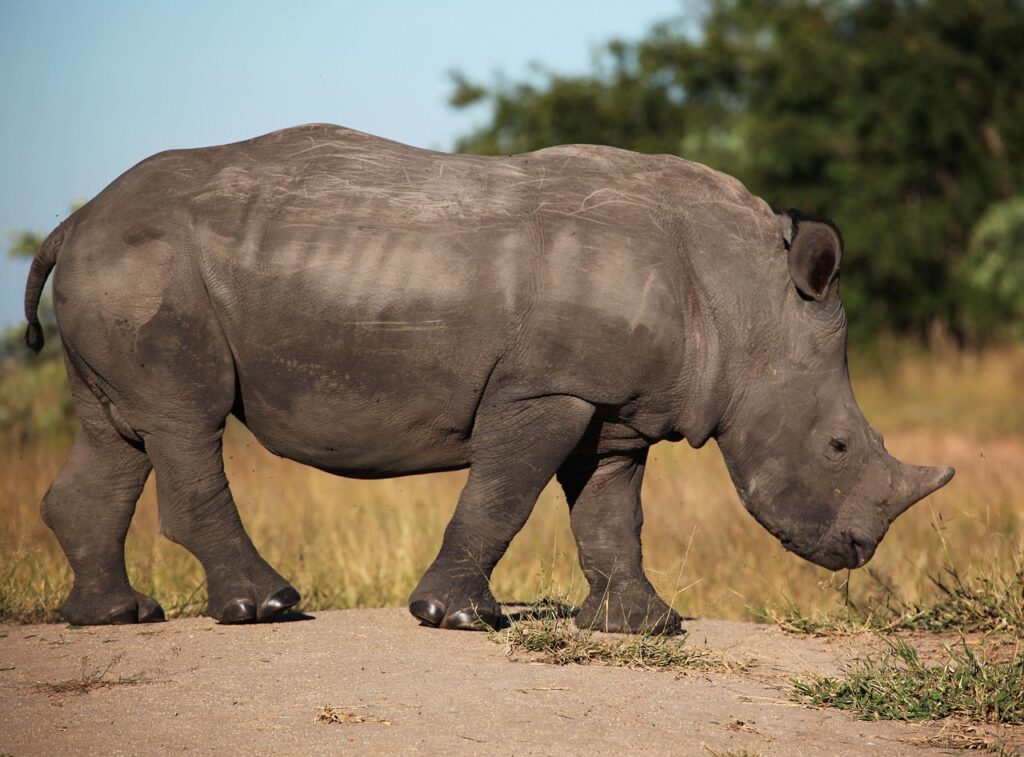
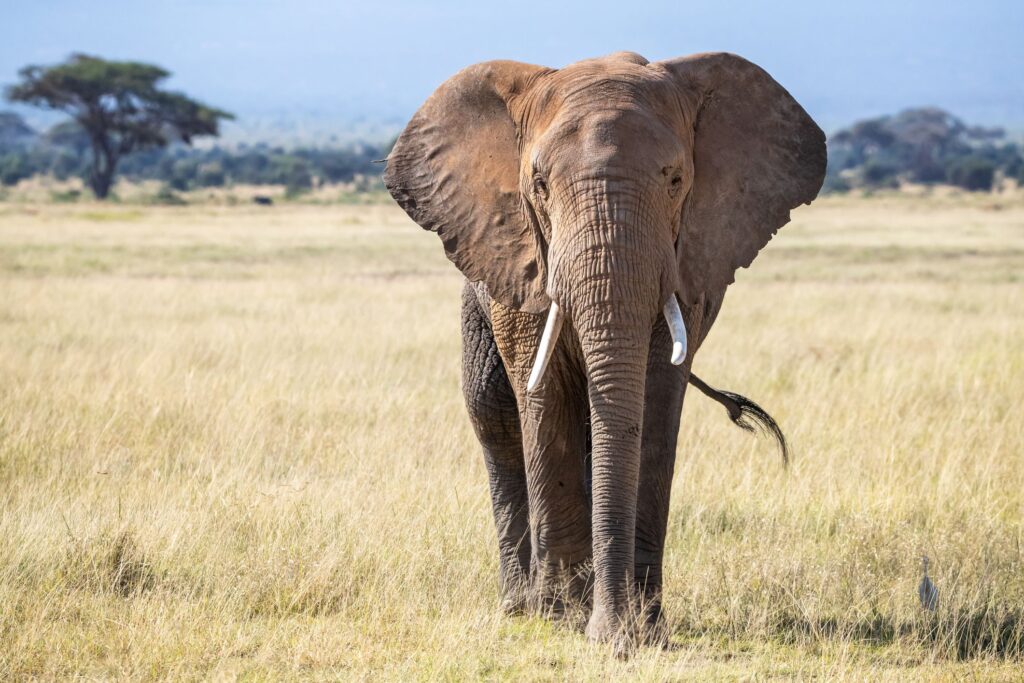
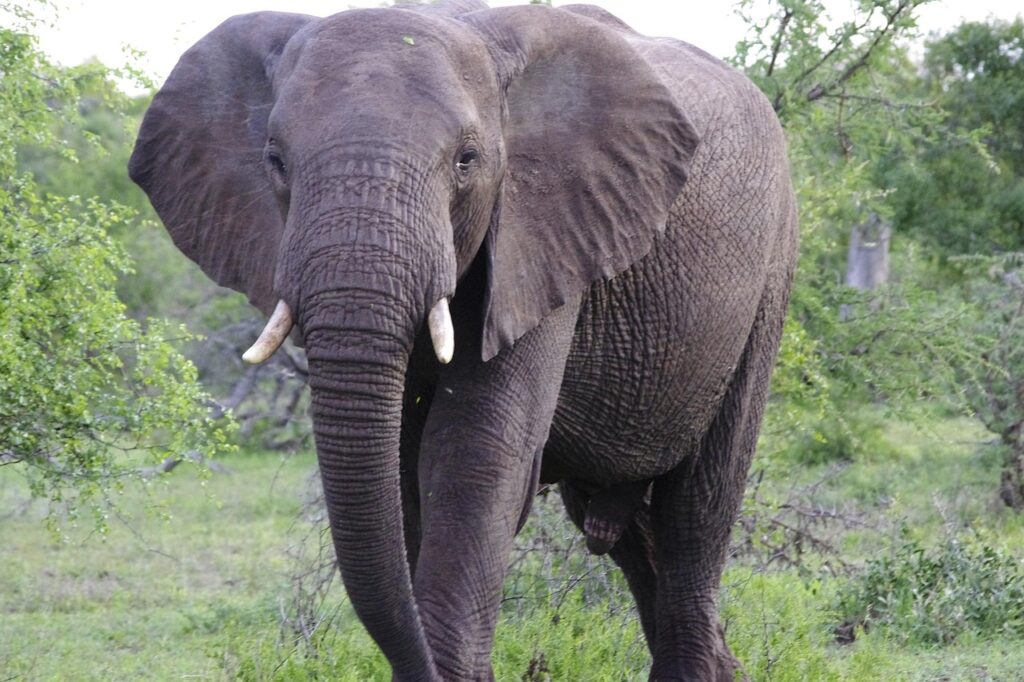
The Big Five: Kruger is the best place in the country to reliably spot the iconic Big Five (lion, leopard, elephant, rhino, and buffalo)
Diverse Options: Visitors can choose between a self-drive safari using a regular car on excellent roads, or fully-guided tours staying at the public rest camps or private lodges within the park or in the adjoining Greater Kruger area.
Private Reserves: The private reserves bordering Kruger, such as Sabi Sand Game Reserve (famous for its leopard sightings) and Timbavati, offer an exclusive, luxurious experience with fewer vehicles and expert trackers. Guests benefit from off-road driving for closer sightings and thrilling night drives.
Malaria-free Reserves
One of South Africa’s most significant appeals is its range of fantastic malaria-free reserves, making it an ideal choice for families, travelers with small children, or those who prefer to avoid antimalarial medication.
Key malaria-free destinations include:
Madikwe Game Reserve: Located near the border with Botswana, Madikwe is one of the largest malaria-free areas and hosts the Big Five, including a strong population of the endangered African Wild Dog.
Eastern Cape Reserves (Addo, Shamwari, Kariega): Reserves in the Eastern Cape, such as Addo Elephant National Park (known for its dense elephant population), are perfectly located to combine a Big Five safari with a scenic drive along the famous Garden Route.
Pilanesberg National Park: Set in the crater of an ancient volcano just a few hours’ drive from Johannesburg, Pilanesberg offers a unique landscape and excellent game viewing for a short break.
Safari Activities Beyond the Game Drive
While the traditional open-vehicle game drive is the cornerstone of any safari, South African reserves offer a wide array of activities to enrich the wilderness experience:
Guided Bush Walks: Get closer to nature by exploring the smaller flora and fauna of the bush on foot with an armed ranger, learning about tracking and spoor (animal prints).
Night Drives: A chance to spot nocturnal animals like the leopard, bushpig, aardvark, and various owls, which are largely inactive during the day.
Marine Safaris: In parts of the Western Cape, like the Grootbos Private Nature Reserve, you can trade the Big Five for the Marine Big Five (whales, great white sharks, seals, penguins, and dolphins).
Facts About South Africa
South Africa Climate
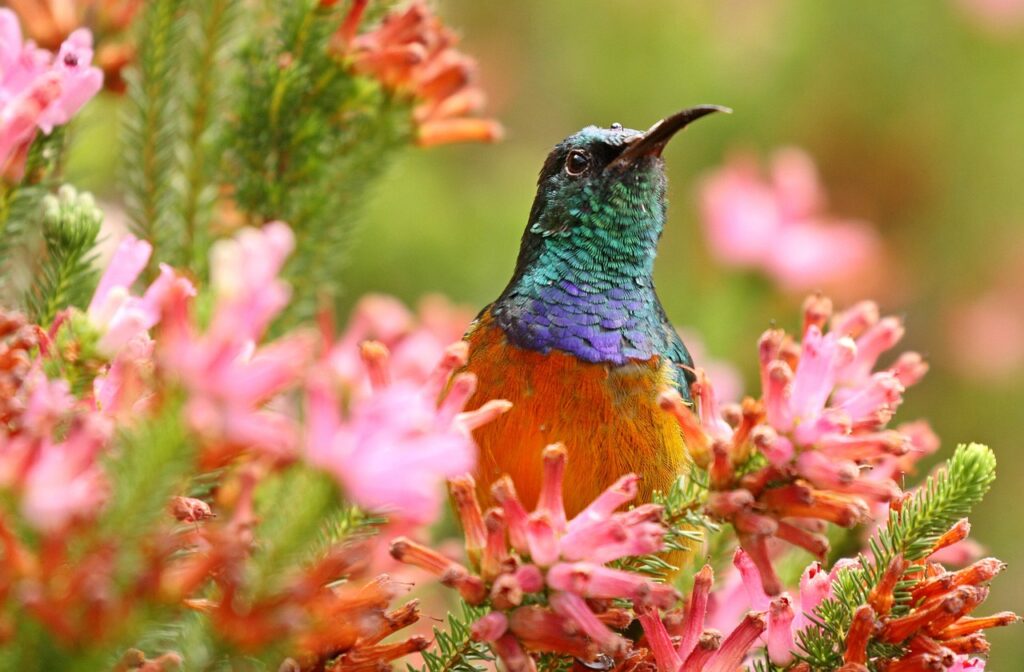
South Africa's climate is remarkably diverse, essentially blending two different weather systems into one country. The most significant contrast is between the Western Cape (including Cape Town, the Winelands, and the Garden Route) and the rest of the country (like the safari parks, Johannesburg, and Durban). The Western Cape operates on a Mediterranean climate, meaning its most beautiful weather is during the warm, dry summer months (November to March). Conversely, the interior and eastern regions—home to Kruger National Park and KwaZulu-Natal—experience their main rainfall in the summer, with the drier, cooler winter months (May to September) offering the best conditions for safaris, where thinner vegetation and dry landscapes make wildlife easier to spot. This geographical split means South Africa is truly a year-round destination, but the optimal time for a visit depends heavily on your main focus. If you dream of relaxing on Cape Town's beaches, hiking Table Mountain, and exploring the Winelands, plan your trip for the hot, sunny summer. However, if an authentic Big Five safari in Kruger is your priority, the dry, sunny winter is superior for game viewing and has the added benefit of being malaria-risk-free in many areas. For those who want to see both, the shoulder seasons of April/May and September/October often provide a pleasant balance with mild, warm weather across most regions before the extremes of mid-summer heat or mid-winter cold set in.
South Africa Culture and People
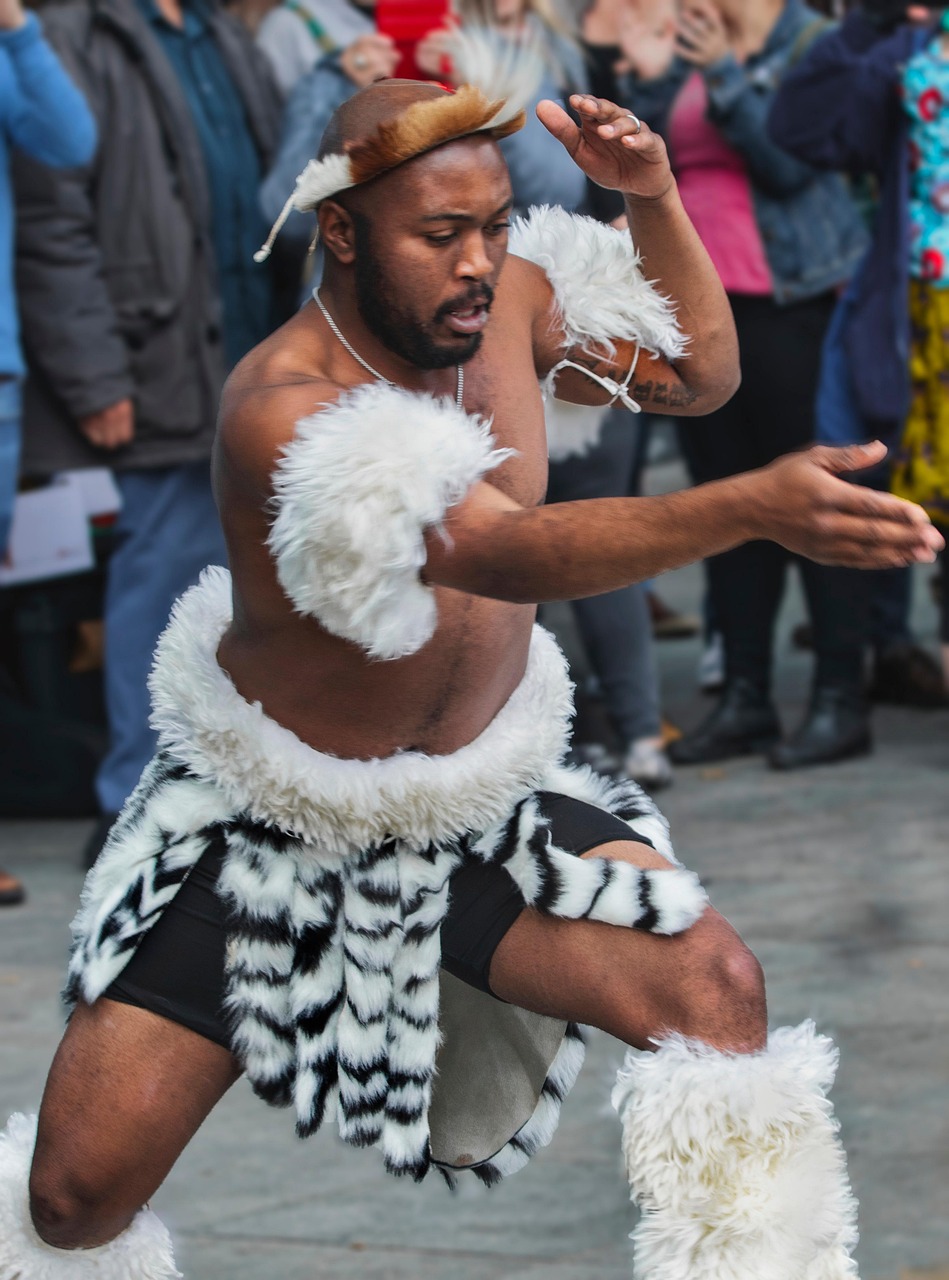
South Africa is famously known as the "Rainbow Nation," a term coined by Archbishop Desmond Tutu to celebrate the unity of its numerous cultural and ethnic groups after the end of apartheid. The country's population is incredibly diverse, encompassing major African groups like the Zulu and Xhosa (the largest groups, primarily in the east and south-east), the Sotho, Tswana, and Ndebele peoples. It also includes descendants of European settlers (Afrikaners and British), as well as significant communities of Indian and Coloured (mixed-race) descent. This blend is formally recognized in the constitution, which grants equal status to 12 official languages (including Zulu, Xhosa, Afrikaans, and English), reflecting an official commitment to linguistic and cultural pluralism across the nation. The diverse heritage is visible in every aspect of South African life, from its music and literature to its famous "braai" (barbecue) tradition, which serves as a central social ritual across all groups. Traditional African cultures maintain strong ties to their languages, clan systems, and artistic expressions—such as the vibrant geometric designs of Ndebele homes or the intricate beadwork of the Zulu people. At the same time, the country's turbulent yet inspiring history, especially the struggle against apartheid and the philosophy of Ubuntu (the belief in a universal bond connecting all humanity: "I am because we are"), provides a profound underlying narrative. This collective journey has fostered a uniquely resilient and expressive society that values community, storytelling, and an eclectic fusion of global and indigenous influences.
Is South Africa Safe?
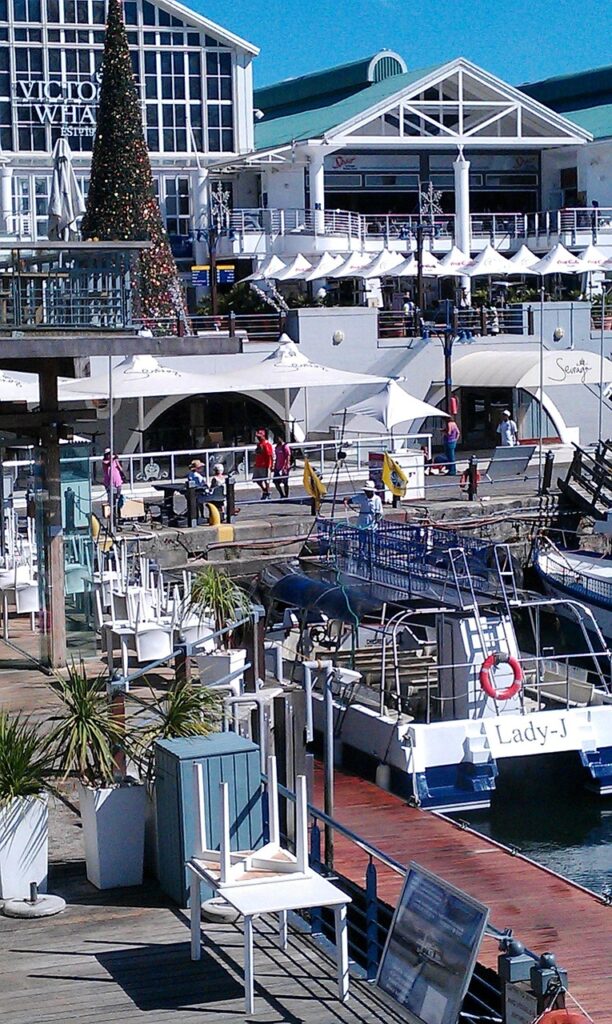
South Africa is a destination where the vast majority of tourists enjoy incredible and problem-free experiences, though it does require a heightened degree of vigilance. The popular visitor hubs, such as the major safari parks (like Kruger), the Winelands, and well-maintained areas of Cape Town (like the V&A Waterfront and Camps Bay), benefit from robust tourism infrastructure and visible security, making them generally safe during the day. To ensure safety, tourists are strongly advised to adopt the habits of a smart traveler: avoid walking alone at night, rely on trusted ride-sharing or hotel transport, keep all valuables (especially phones and cameras) out of sight in public and in cars, and never resist if confronted by an assailant. By exercising continuous situational awareness and pre-booking tours and transfers through reputable operators, you can significantly mitigate the risks and enjoy the country's spectacular natural beauty and rich cultural offerings with confidence.
South African Safaris
Top South African National Parks
QUESTIONS?
Wondering how it works? Just…
Describe your dream trip
A Travel Expert will help curate your experience
Confirm & start packing