botswana
Why visit Botswana?
Botswana is globally recognized as an elite safari destination that offers a distinct and intimate wilderness experience, setting it apart from other African countries through a “high-cost, low-volume” tourism model that ensures minimal crowds and a pristine, untouched environment.
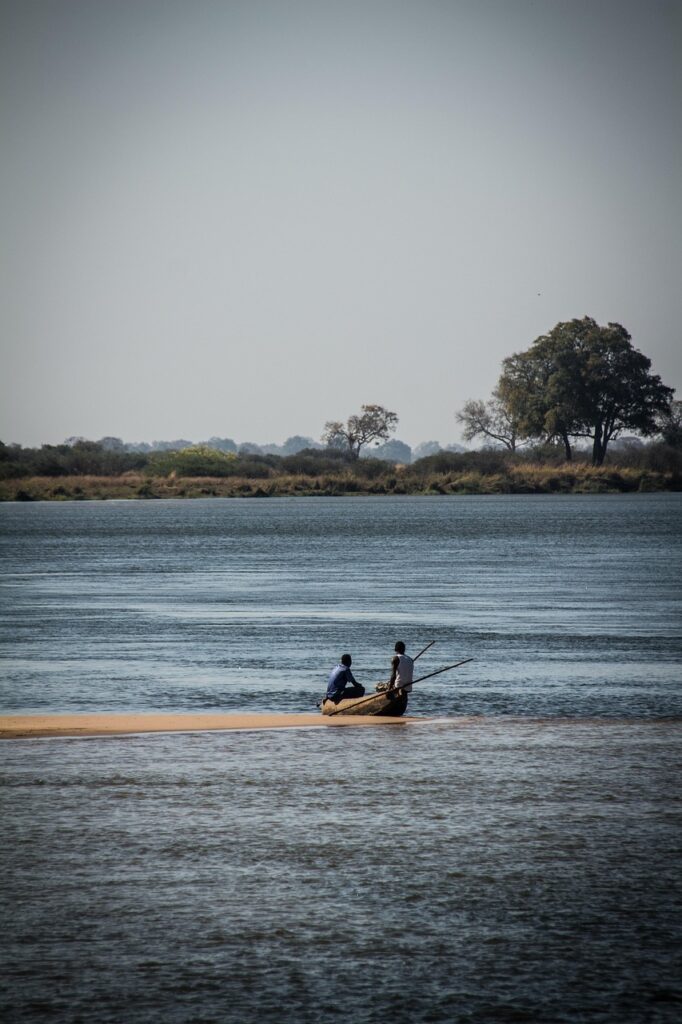
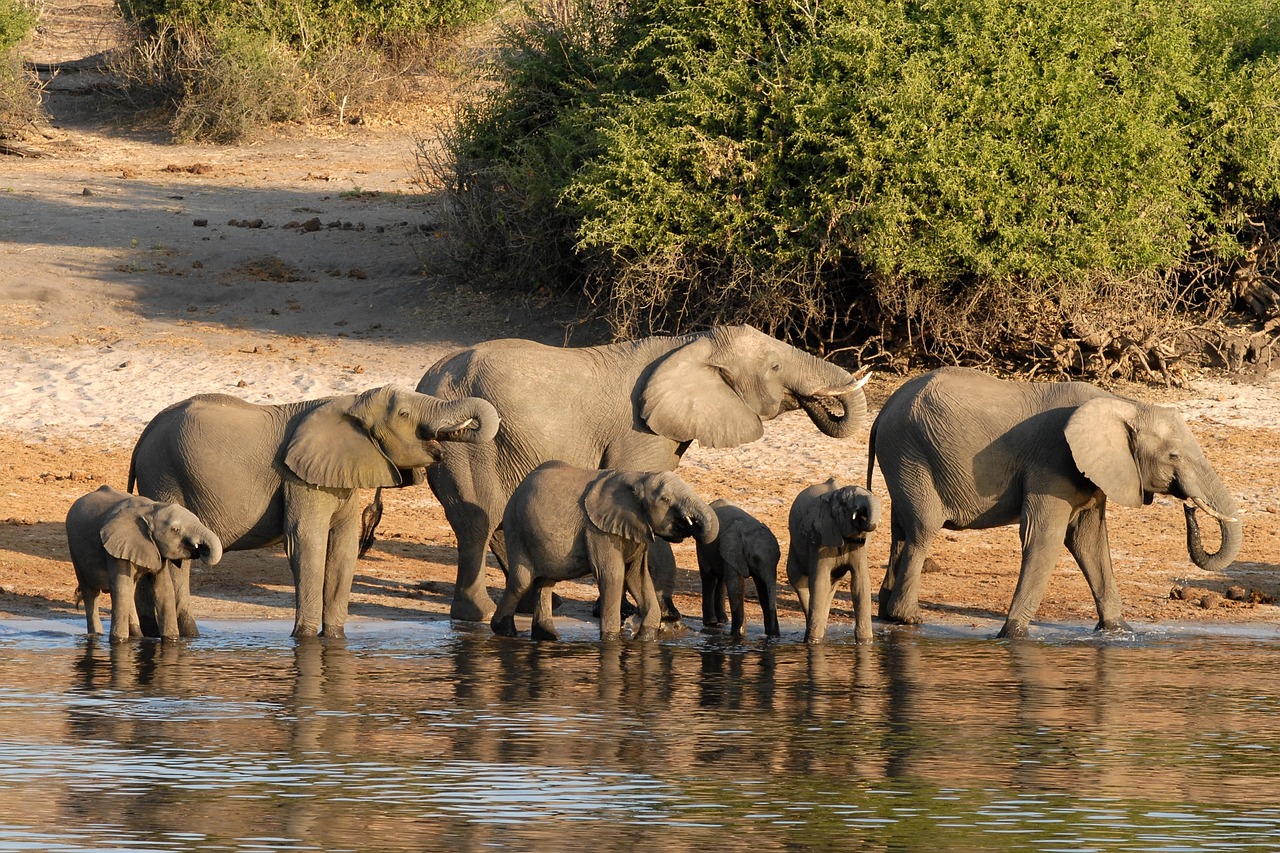
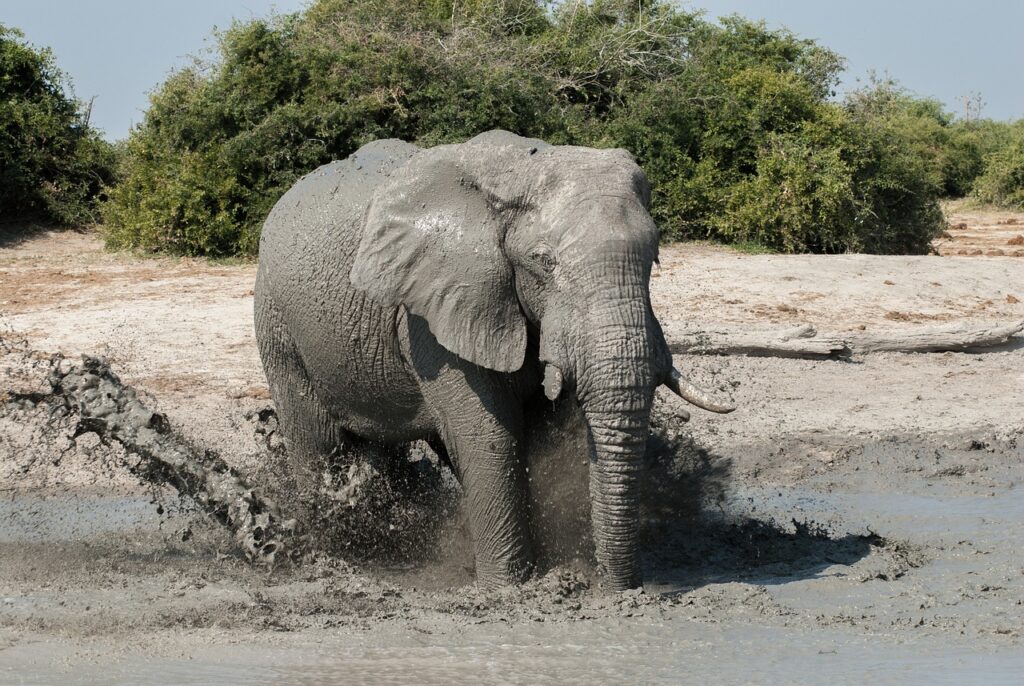
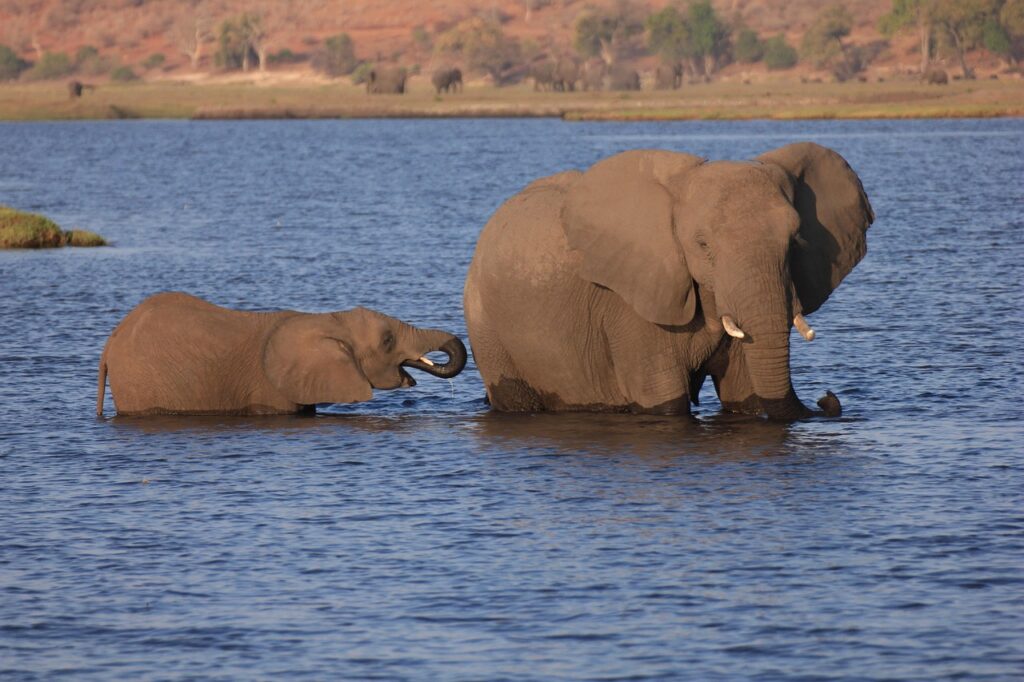
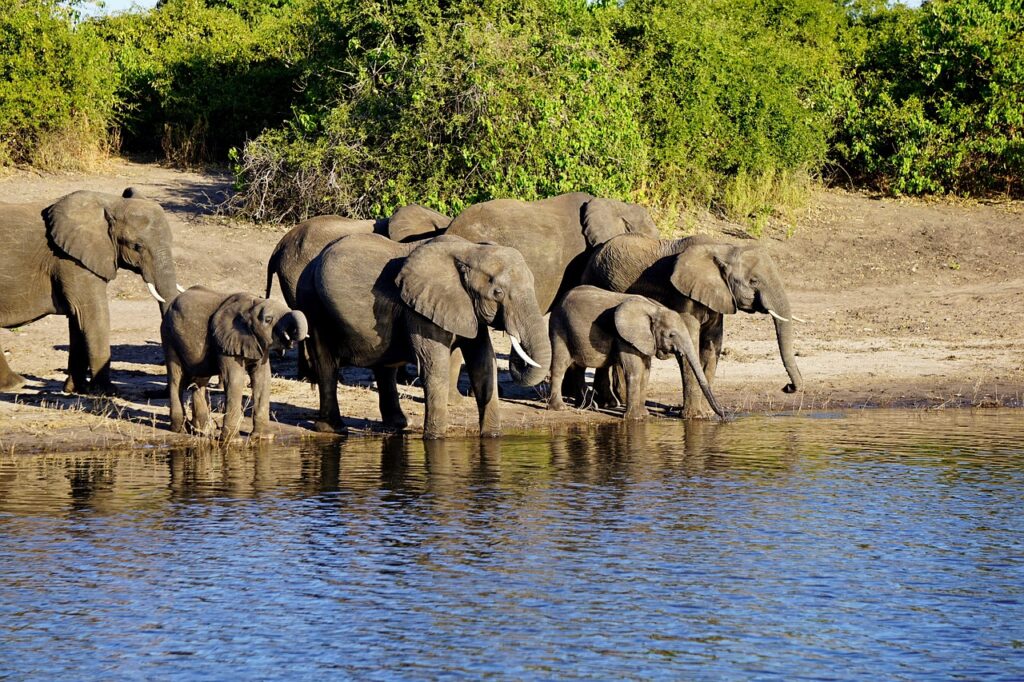
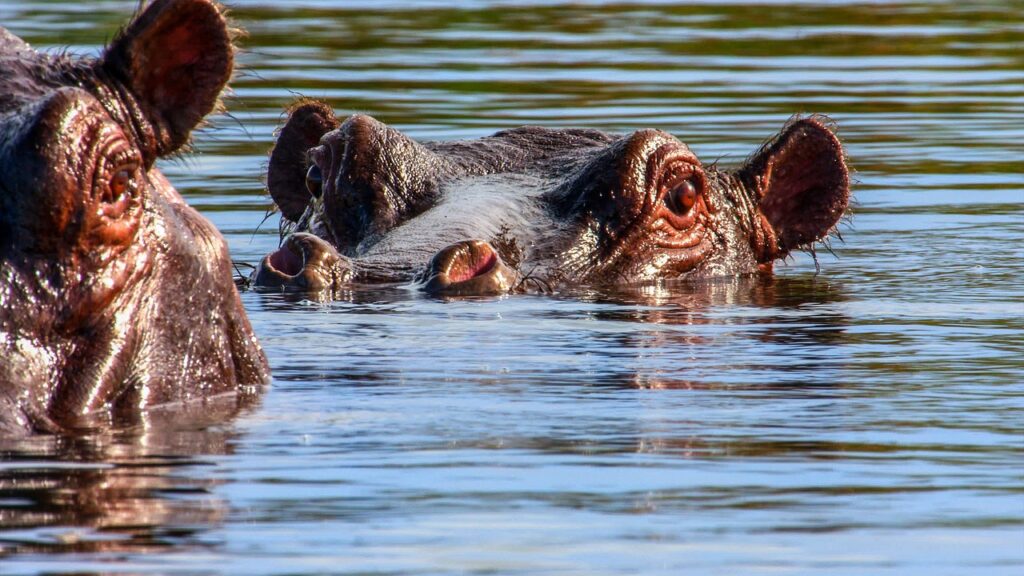
The jewel in Botswana’s crown is the Okavango Delta, a massive, unique inland delta that provides a spectacular contrast of land and water safaris; visitors can silently glide through the clear channels in a traditional mokoro (dugout canoe) to view aquatic wildlife like hippos and the rare sitatunga antelope. Complementing this wetland paradise is Chobe National Park, famous for hosting the world’s largest concentration of elephants, offering incredible game drives and river cruises to see massive herds congregate at the water’s edge.
Beyond the Big Five, Botswana is a crucial stronghold for endangered species like the African wild dog. By dedicating over a third of its land to conservation, Botswana provides an unparalleled opportunity to witness prolific wildlife in a genuinely wild, unfenced, and exclusive setting.
Botswana Wildlife Safaris
Botswana is renowned for offering one of Africa’s most exclusive and high-quality safari experiences, built upon a foundation of low-volume, high-cost tourism that preserves its vast, pristine wilderness. The country’s primary draw is its sheer ecological diversity, anchored by the Okavango Delta, a unique inland river system that swells into a sprawling wetland oasis. Here, game viewing extends beyond traditional 4×4 drives to include silent mokoro (dugout canoe) excursions, allowing for an intimate, eye-level encounter with semi-aquatic life like the red lechwe, sitatunga antelope, hippos, and prolific birdlife. The vast Chobe National Park complements this watery paradise, famous for harboring the largest population of elephants in the world, with massive herds congregating along the Chobe Riverfront, particularly during the dry season (May to October).
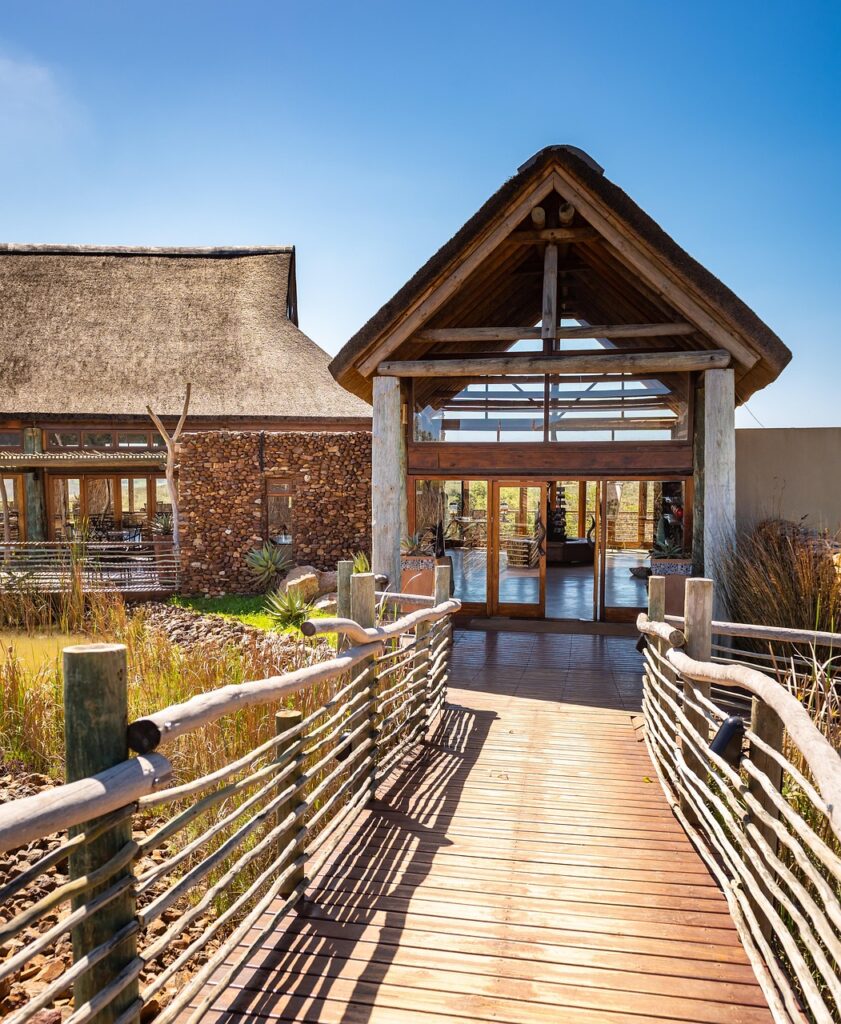
The safari experience in Botswana is characterized by private concessions and luxury lodges that offer solitude and incredible guiding, often allowing for flexible activities like off-road tracking and night drives, which are typically restricted in national parks. Beyond the iconic destinations, regions like the predator-rich Moremi Game Reserve and the stark, beautiful Makgadikgadi Pans provide further contrast—from dense mopane woodlands teeming with the endangered African wild dog, to the vast salt flats where you can witness the annual zebra migration. Whether gliding across floodplains or tracking big cats across the savanna, a Botswana safari delivers a sense of untouched wildness and intimate, unforgettable wildlife encounters that are difficult to find anywhere else on the continent.
Facts About South Africa
Botswana Climate
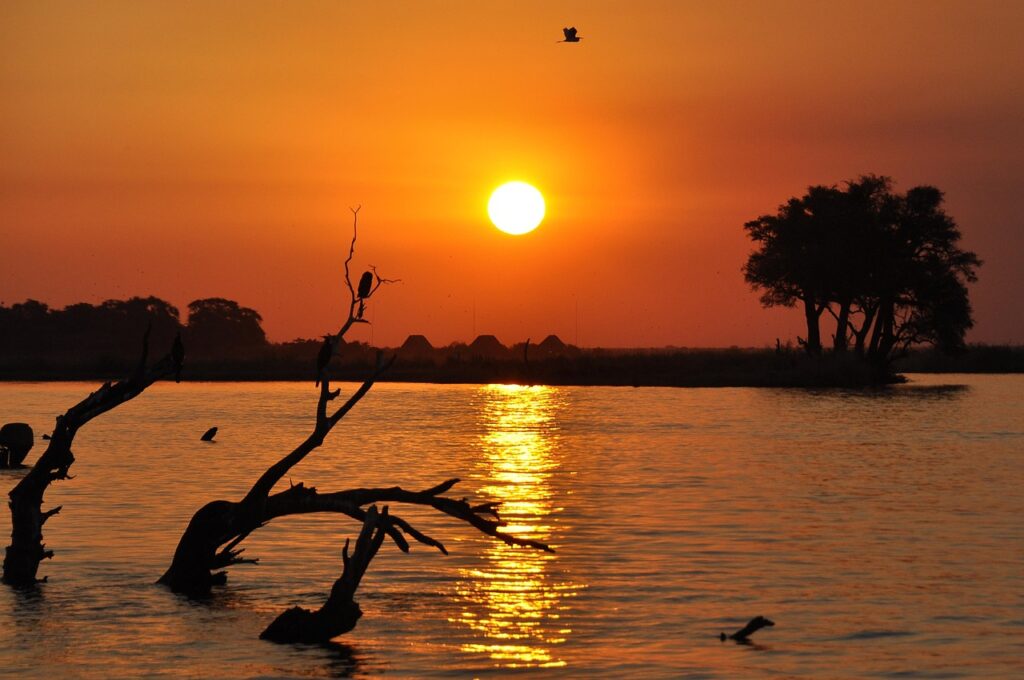
Botswana has a semi-arid, subtropical climate defined by two distinct seasons that dramatically influence the safari experience. The Dry Season (May to October) is the most popular time for visitors, featuring sunny days with no rain, which forces animals to gather around permanent water sources, optimizing game viewing, though travelers must be prepared for very cold nights Conversely, the Wet Season (November to April), or "Green Season," is characterized by intense heat, high humidity, and afternoon thunderstorms, transforming the landscape into a lush environment that is excellent for birdwatching and witnessing the zebra migration, despite the denser vegetation making wildlife spotting more challenging.
Botswana Culture and People
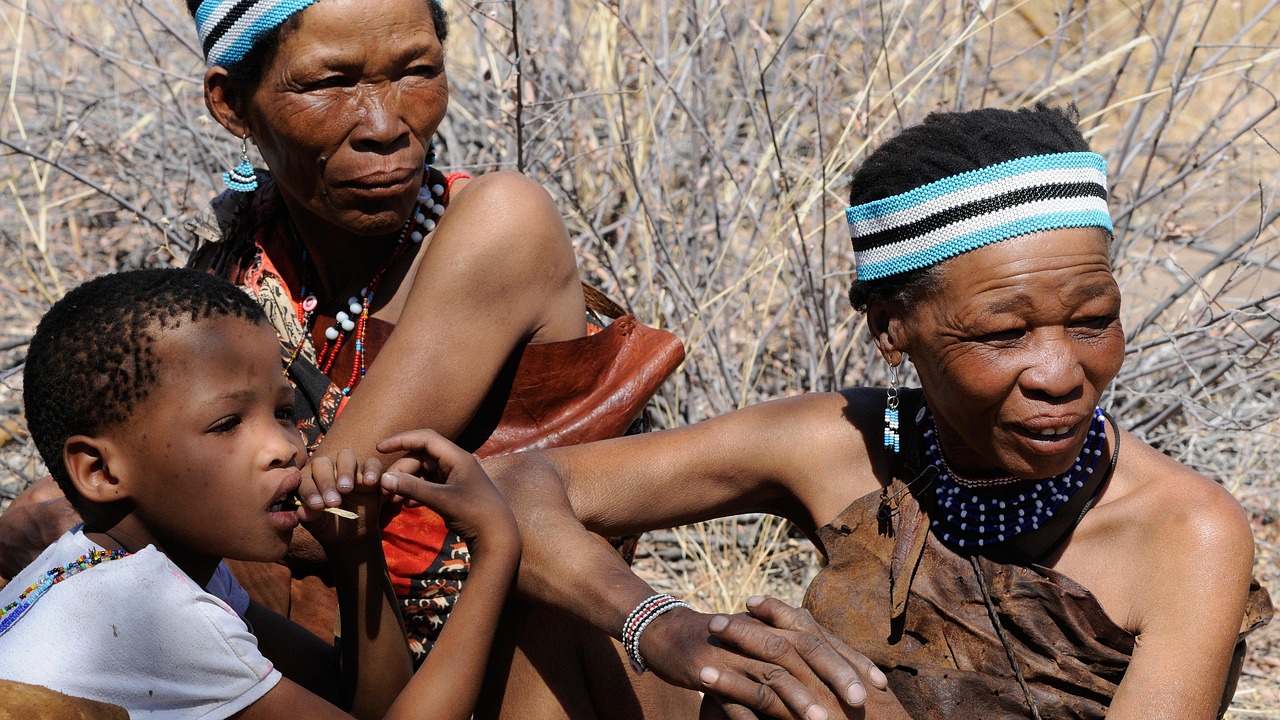
Botswana's culture is rooted in the traditions of the Batswana (the collective term for the people of Botswana), with the Setswana-speaking groups forming the majority of the population. The national culture is profoundly characterized by the philosophy of Botho, a Setswana concept emphasizing communal harmony, respect for others, and the interconnectedness of all people—a principle akin to Ubuntu. This communal spirit is formally manifested in the Kgotla, the traditional village meeting place and court where community issues are discussed and decisions are made democratically, highlighting the nation's long-standing tradition of participatory governance. While English is the official language for business and government, Setswana is the national language and lingua franca.
Historically, the Batswana were cattle herders and farmers, and cattle remain a powerful symbol of wealth and status. The country is recognized for its peaceful political stability and a diverse culture that also includes the ancient San (Bushmen) people, whose unique hunting and gathering lifestyle and traditional dances add another layer to Botswana's rich heritage.
Is Botswana Safe?
Yes, Botswana is generally considered one of the safest and most politically stable countries in Africa for tourists. It consistently receives a "Normal Safety Precautions" advisory from many international travel authorities. The primary safari areas, like the Okavango Delta and Chobe National Park, are highly regulated and staffed by professional guides, making incidents rare. The Batswana people are renowned for their hospitality, contributing to a secure and welcoming atmosphere for foreigners. However, like any travel destination, vigilance is necessary.
Botswana Safaris
Top Botswana National Parks
QUESTIONS?
Wondering how it works? Just…
Describe your dream trip
A Travel Expert will help curate your experience
Confirm & start packing