
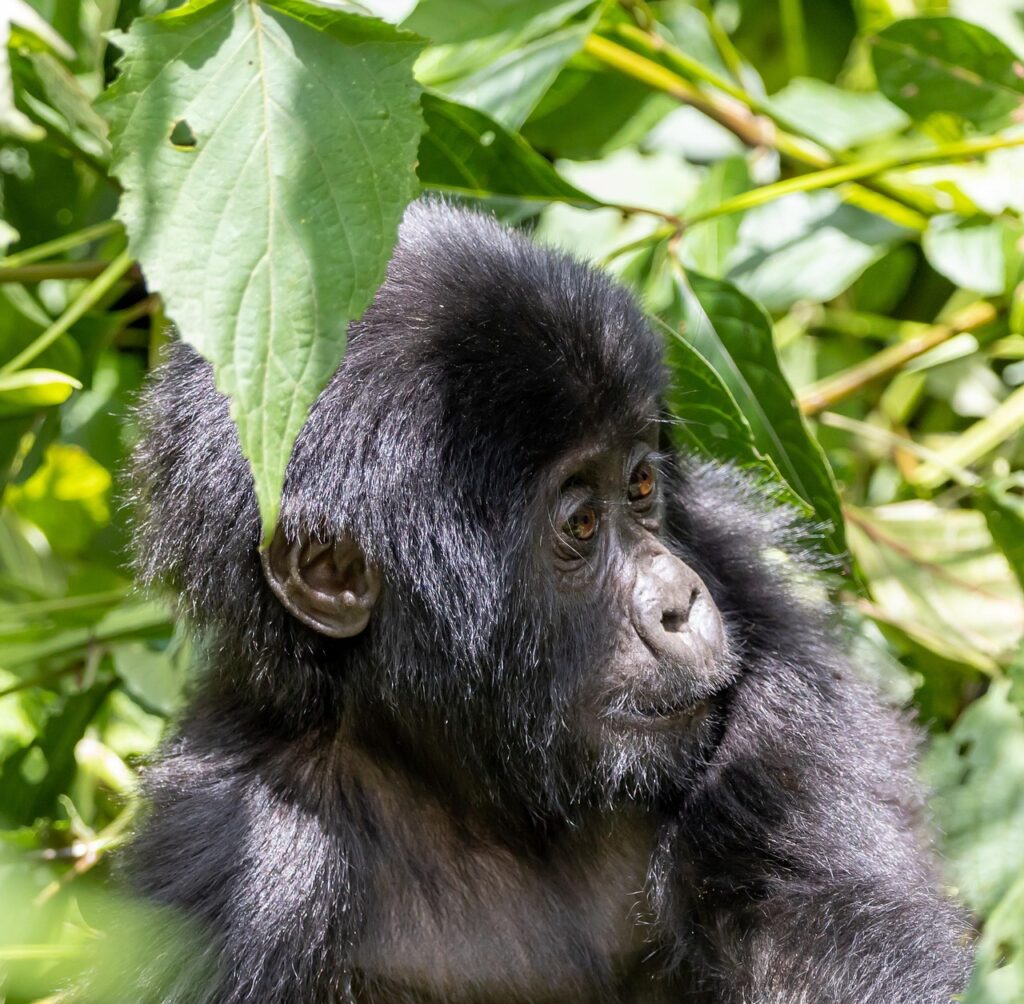
Known as the “Pearl of Africa,” Uganda is a land of staggering contrasts, from the snow-capped Peaks of Mountain Rwenzori to the dense, misty jungles of Bwindi. But as any seasoned traveler will tell you, a successful trip to East Africa requires more than just a sense of adventure; it requires meticulous preparation.
As we move through 2026, Uganda remains one of the most rewarding destinations on the continent. However, the logistics of entry, health, and local etiquette have evolved. Here is everything you need to know before touching down at Entebbe International Airport.
Visas and Passports
Your passport must be “safari-ready.” This means it needs at least six months of validity from your date of entry and at least one blank page for stamps.
As of 2026, Uganda has moved entirely to an electronic “pre-approval” system. You can no longer rely on getting a visa on arrival at airport. A single-entry visa ($50) is standard for those only visiting Uganda. If you plan to cross into Kenya or Rwanda, the $100 multi-country visa is a steal. Apply at the official Directorate of Citizenship and Immigration website at least two to three weeks before your flight.
A Yellow Fever Certificate
Do not leave home without your “Yellow Card.” Uganda is one of the few countries where a Yellow Fever Vaccination Certificate is a mandatory entry requirement. Health officials at Entebbe check this before you even reach the immigration queue. The vaccine must be administered at least 10 days before arrival to be considered valid. If you have a medical exemption, you must carry an official signed letter from a doctor, or you risk being denied entry.
Health and the “Mosquito Hours”
Uganda is a high-risk malaria zone. While the temptation to “go natural” is high, the local reality is that malaria is serious. Consult a travel clinic to start a course of Malarone or Doxycycline before you land. Mosquitoes are most active between sunset and sunrise. This is when you should wear long-sleeved linen shirts, trousers, and DEET-based repellent.Never drink tap water. Stick to bottled water (ensure the seal is intact) or filtered water provided by your lodge.
Cash is King
While Kampala and Entebbe are becoming more digital, Uganda is still a cash-heavy society. If you are bringing US Dollars, they must be printed after 2009. Local forex bureaus and banks often reject older notes or those that are torn, stamped, or even slightly wrinkled. You’ll find them in major towns (Stanbic and ABSA are reliable), but they often run out of cash or reject foreign cards during weekends. Always keep a “stash” of Ugandan Shillings (UGX) for small purchases. If you stay for more than two weeks, consider getting a local SIM (MTN or Airtel) and setting up Mobile Money. It is the primary way locals pay for everything from groceries to taxi rides.
Gorilla and Chimpanzee Permits
If you are coming for the mountain gorillas in Bwindi or the chimpanzees in Kibale, book your permits now. Even in 2026, these permits are strictly limited to ensure conservation. During the peak dry seasons (June–August and December–February), permits sell out months in advance. * Expect to pay around $800 for a gorilla permit. This money goes directly toward protecting the habitat and paying the rangers who keep the primates safe.
Cultural Etiquette and the “Rolex”
Ugandans are famously hospitable, but the culture is deeply conservative and polite. Never rush into a business transaction or a request for directions. Always start with a “How are you?” or “Agandi?” (in the west) or “Osiibye otyanno?” (in the central region). In rural areas, modest dress is preferred. Ladies should consider skirts or trousers that cover the knees. You cannot leave without eating a Rolex. No, not the watch—it’s a “Rolled Eggs” omelet wrapped in a fresh chapati. It is the quintessential Ugandan street food.
Safety and Transport
Uganda is generally safe for travelers, but common sense applies.
These motorcycle taxis are the fastest way to beat Kampala’s legendary traffic jams. However, they are also the leading cause of accidents. If you must use one, use a ride-hailing app like SafeBoda or Uber, which ensures the driver has a helmet for you.
Avoid long-distance driving at night. Potholes, wandering livestock, and unlit vehicles make Ugandan roads hazardous after dark.
It is important to be aware that Uganda has strict laws regarding LGBTQ+ activities. Discretion is highly advised, as public displays of affection or advocacy can lead to legal complications or hostility.
When to Go: The Two Dry Seasons
While Uganda is a year-round destination, your experience will depend on the rain.
Best Time (June to September): The long dry season. Perfect for trekking and seeing wildlife as animals congregate around watering holes.
The “Green” Season (March to May): The heavy rains. This is the best time for birdwatchers and budget travelers, as lodges often offer “low season” discounts. Be prepared for muddy trails and slippery mountain slopes.
A Final Tip: Embrace “Uganda Time”
In Uganda, things don’t always happen on the dot. A bus might leave when it’s full, not when the schedule says. A meal at a local restaurant might take thirty minutes to prepare from scratch.
Don’t fight it. Lean into the slower pace. The magic of Uganda isn’t found in a rigid itinerary; it’s found in the unexpected conversation with a coffee farmer, the mist clearing over the craters of Kasenda, and the breathless moment you first lock eyes with a Silverback.
Enjoy the Pearl!