
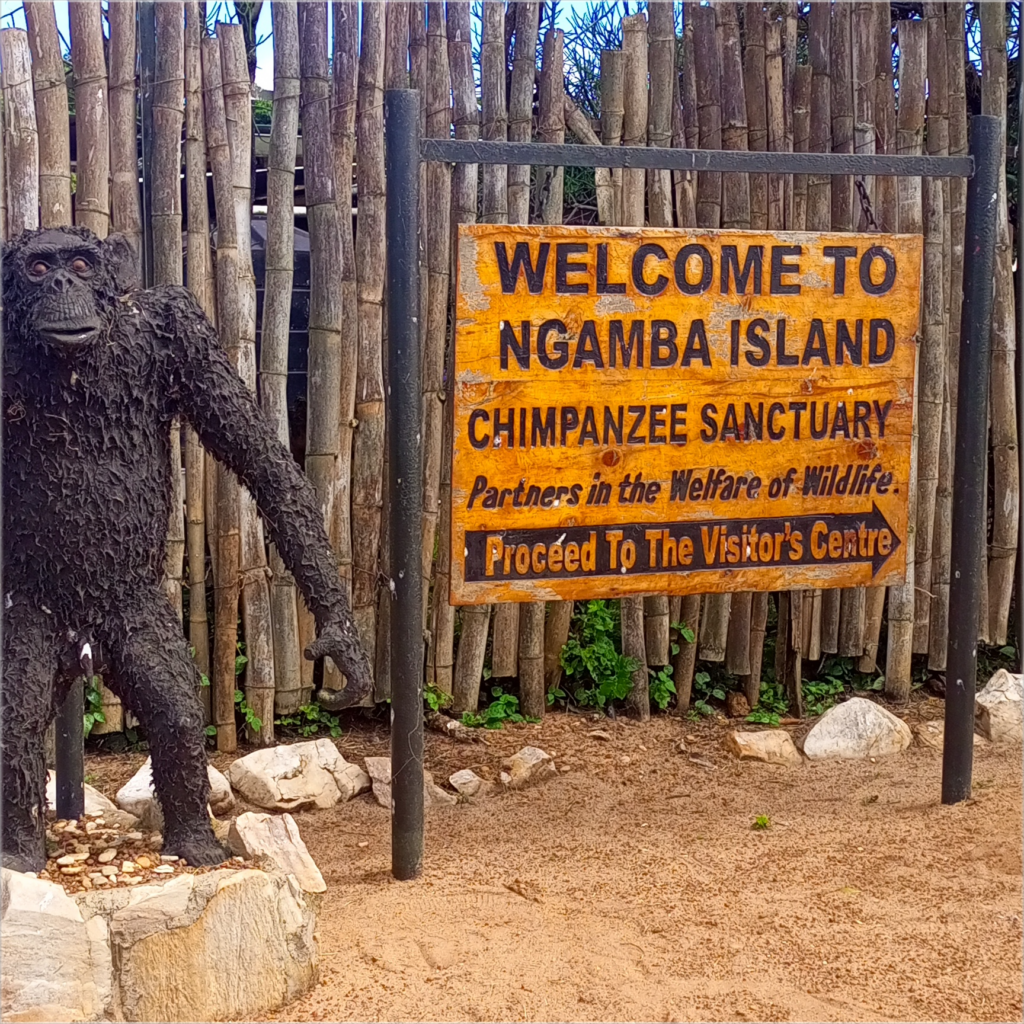
For chimpanzees, the forest is supposed to be a place of sanctuary, a vibrant canopy of life, community, and freedom. But for an orphaned or rescued chimpanzee, that same forest can initially feel like a daunting, overwhelming world. Many of the chimpanzees that arrive at Ngamba Island Chimpanzee Sanctuary have known only the darkest sides of humanity. Victims of the illegal bushmeat trade, exotic pet trafficking, or severe habitat encroachment, these resilient survivors arrive with deep scars. Some of these scars are physical, etched into their bodies, but the most challenging to heal are invisible, the emotional trauma of losing their mothers and their freedom.
When they first step foot onto the island, they are understandably wary of the very hands trying to save them. Trust has been shattered. Yet, what follows is one of the most profound testaments to the power of compassion: a delicate, transformative journey from trauma to triumph.
The rehabilitation process at Ngamba Island is not a rigid scientific formula; it is a delicate dance of patience, intuition, and deep empathy. The initial phase of arrival is critical. Stripped of their biological mothers at an incredibly vulnerable age, infant chimpanzees are plunged into a state of profound grief and anxiety. In the wild, a chimpanzee clings to its mother for years, learning how to survive, finding comfort in her heartbeat, and relying on her for absolute security.
To bridge this tragic gap, human caretakers must step into the role of surrogate parents. This is not a standard nine-to-five job; it is a round-the-clock commitment to healing. Caretakers spend sleepless nights holding traumatized infants, rocking them through night terrors, and providing the physical warmth and emotional security they were violently robbed of. Through bottle feedings, gentle grooming, and endless reassurance, a fragile bridge of trust is slowly rebuilt. The caretakers must become an anchor of safety before the young chimpanzees can even begin to explore the wider world around them.
Because these chimpanzees were taken from the wild at such a young age, they lack the vital survival skills required to live independently in the deep wild. They do not know how to protect themselves from predators, navigate large territorial wild groups, or forage efficiently across vast, unprotected landscapes. Consequently, releasing them into the untamed wild is not a viable option.
This is where Ngamba Island steps in, serving not as a cage, but as a sprawling second chance. Encompassing 100 acres of pristine rainforest on Lake Victoria, the sanctuary offers a semi-wild environment where chimpanzees can experience the freedom of nature within a safe, protected boundary.
The most beautiful part of this journey is watching these resilient creatures find their footing again. The transformation is nothing short of miraculous. You watch a youngster, once isolated, terrified, and frail, gradually take their first brave steps into the forest.
Socialization is the heartbeat of Ngamba Island. Chimpanzees are intensely social beings, and true healing cannot happen in isolation. One of the most moving sights at the sanctuary is watching a newly integrated orphan being “adopted” by an older, matriarchal female. These older chimpanzees, many of whom harbor their own histories of rescue, possess an incredible capacity for empathy. They take the newcomers under their wing, offering comfort when the youngster is frightened and teaching them the complex social etiquette of the chimpanzee world. Before long, that once-isolated orphan finds a best friend to forest-forage with, learning which fruits are ripe and how to dig for insects.
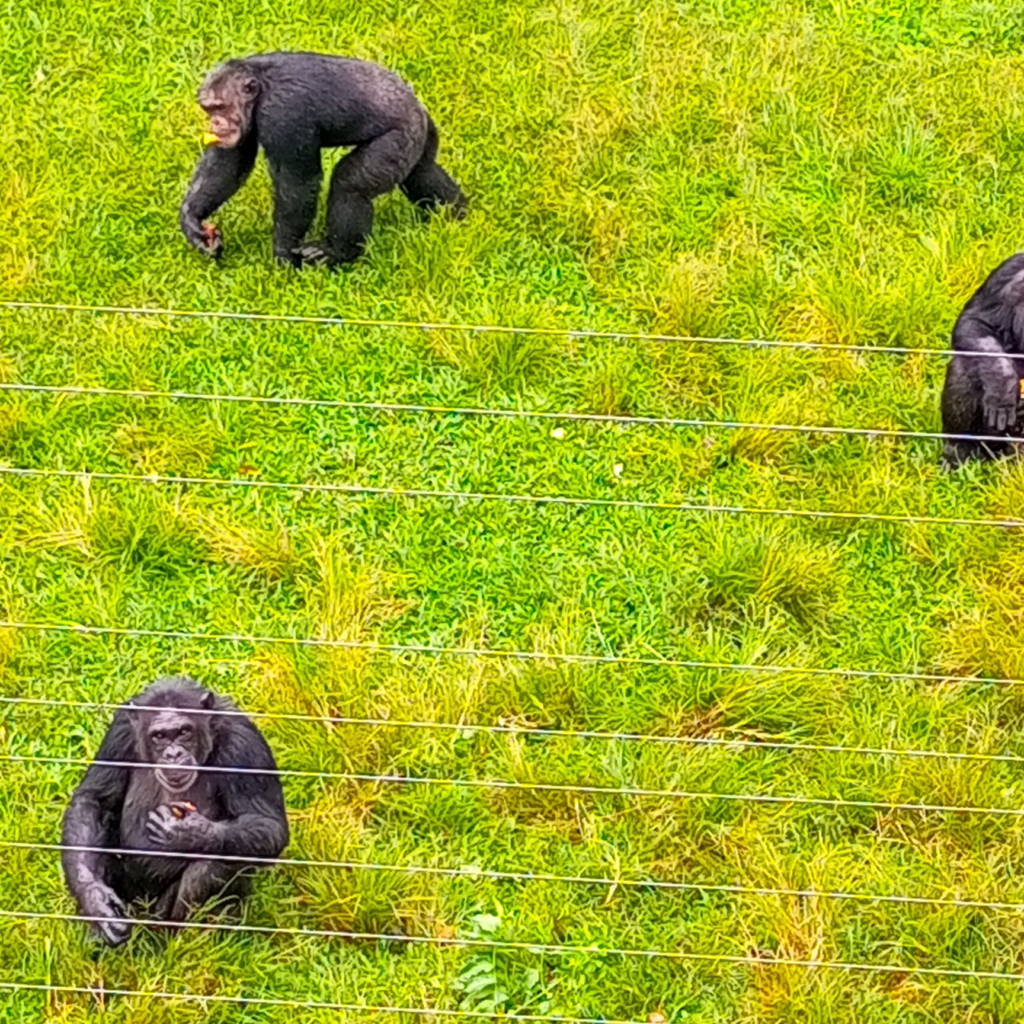
In the depth of trauma, play is entirely forgotten. A terrified chimpanzee stays curled in a ball or grips its caregiver tightly, hyper-vigilant and tense. Therefore, the return of play is the ultimate milestone of recovery.
As the weeks turn into months, the environment of Ngamba Island works its magic. Surrounded by peers and wrapped in safety, the youngsters learn to climb. They test the flexibility of branches, tumble through the undergrowth, and engage in high-energy games of chase. They learn to laugh, a distinct, panting vocalization that signals pure joy.
Slowly, almost imperceptibly, a profound shift occurs: the light returns to their eyes. The haunted, hollow look of a victim is replaced by the bright, mischievous spark of a chimpanzee who knows they are safe.
While it is a bittersweet reality that these chimpanzees may never return to the deep wild due to the early trauma they endured, Ngamba Island provides something equally vital and beautiful: a permanent home.
A sanctuary is a lifelong promise. It is a commitment that these animals will never again face starvation, chains, or abuse. The island becomes a living theater of redemption, a place where the tragedy of their past is slowly but surely eclipsed by the peace of their present.
In the quiet afternoons, as the chimpanzees nest in the high branches of the forest canopy or groom one another in the shade, the horrors of their early lives fade into the background. They are allowed to simply be chimpanzees. They have a community to belong to, territory to explore, and a dedicated team of veterinarians and caretakers ensuring their well-being for the rest of their days.
The stories that unfold daily on Ngamba Island carry a message that stretches far beyond the shores of Lake Victoria. Seeing these chimpanzees thrive today is a profound reminder of the resilience of life. It proves that trauma does not have to be the final chapter of a story.
The illegal wildlife trade and habitat destruction continue to threaten wild primate populations across Africa, and the battle for conservation is far from over. Yet, sanctuaries like Ngamba Island offer a beacon of light in that struggle. Every chimpanzee that learns to play again, every infant that finds comfort in a surrogate mother’s arms, and every adult that leads a peaceful life in the forest canopy is a victory.
With enough compassion, dedication, and unwavering support, we possess the power to rewrite these narratives. Ngamba Island stands as living proof that we can take a heartbreaking story of loss and transform it into a powerful, enduring legacy of hope.