
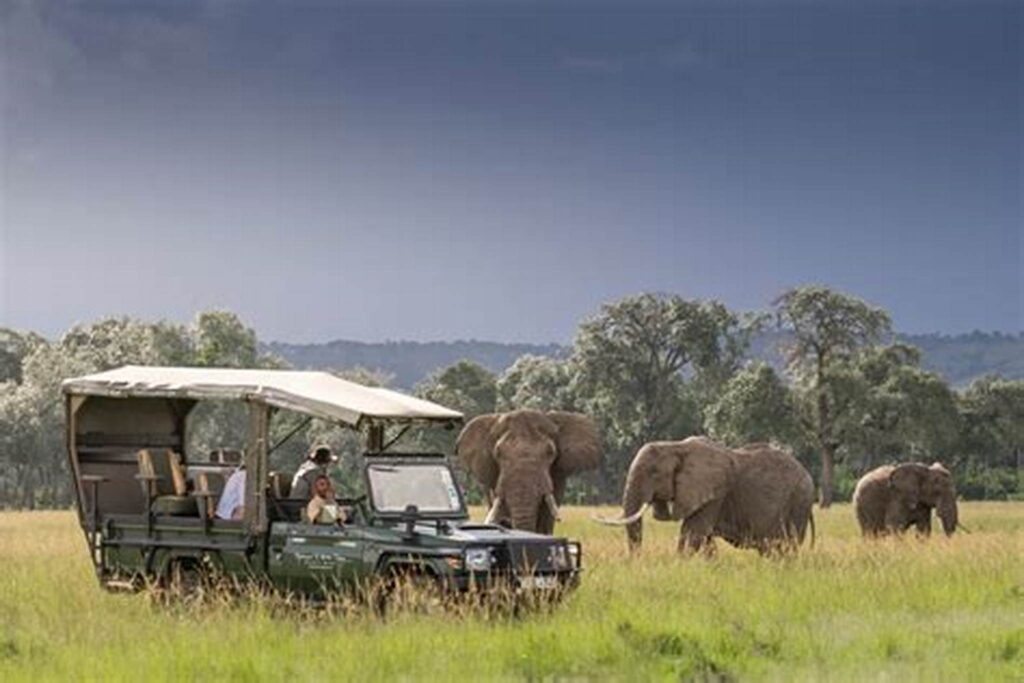
Planning a safari is a bucket list dream for many travelers, but translating that dream into a practical itinerary often starts with a single, crucial question: How long should the trip actually be?
Because a safari is a significant investment of time and money, deciding on the ideal duration can feel overwhelming. While the exact answer ultimately depends on your personal preferences, budget, and travel goals, having a structured timeline makes planning far simpler and far more rewarding.
1. The 5–6 Day Safari: The Express Adventure
A short safari spanning five to six days is ideal for travelers with limited time, those adding a wildlife experience onto an existing business trip, or first-timers looking to taste the safari experience without committing to a multi-week expedition.
What to Expect
In this timeframe, the focus must remain tight. You will typically explore one major park or two closely neighboring game reserves. For instance, you might combine Kenya’s Masai Mara with Lake Nakuru, or stick strictly to Tanzania’s Serengeti.
Pros & Considerations
Pros: Cost-effective, easy to fit into a tight schedule, and still offers an incredible chance to see the “Big Five” (lion, leopard, elephant, rhino, and buffalo).
Considerations: The pace of a short safari is inherently fast. Because game drives, park transitions, and transfers happen in rapid succession, you will have less downtime to relax at your lodge or simply soak in the ambiance of the African bush.
Key Takeaway: Keep your travel distances minimal. Spending less time moving between parks ensures you maximize your actual time on game drives.
2. The 8–10 Day Safari: The “Sweet Spot”
For the vast majority of travelers, an eight to ten-day itinerary represents the ideal balance. It provides enough time to immerse yourself in the natural rhythm of the wilderness without feeling rushed or overwhelmed by constant travel.
What to Expect
This duration allows you to visit two or three distinct ecosystems or geographic regions. You could start in the open grasslands of the Serengeti, travel into the dramatic landscape of the Ngorongoro Crater, and finish in a quieter, private conservancy.
Pros & Considerations
Pros: You get time to adjust to the “safari rhythm”—waking up early for dawn game drives, relaxing during the warm midday hours, and enjoying sunset sundowners. Staying two to three nights in each lodge gives you time to unpack, get to know your guide, and experience deeper wildlife interactions.
Considerations: It requires a larger investment than an express trip, but the depth of the experience far outweighs the incremental cost.
Key Takeaway: The sweet spot gives you flexibility. If wildlife sightings are slow in one park on a given morning, you have the cushion of extra time rather than having to pack up and move to the next destination immediately.
3. The 12–14 Day Safari: The Ultimate Grand Tour
A two-week safari offers the ultimate freedom to build a multi-faceted, highly diverse itinerary. It is perfect for travelers who want to combine traditional game viewing with entirely different ecosystems, activities, or relaxation stops.
What to Expect
With 12 to 14 days, you can create a truly comprehensive African journey. Popular combinations include:
Savannah + Primate Trekking: Pairing traditional game drives in the savannah with mountain gorilla trekking in Uganda or Rwanda.
Bush + Beach: Combining an intense week of game drives in South Africa, Kenya, Uganda or Tanzania with a relaxing tropical beach stay in Zanzibar, Mozambique, or the Seychelles.
Culture + Wilderness: Integrating immersive local community interactions and walking safaris alongside classic vehicle-based game viewing.
Pros & Considerations
Pros: Complete diversity of landscapes, wildlife, and cultural experiences. The slow, leisurely pace allows for genuine relaxation and deeper connections with local guides and communities.
Considerations: Longer trips require careful planning around logistics, internal flights, and varied packing needs (e.g., lightweight safari gear vs. sturdy hiking equipment for gorilla treks).
The Biggest Safari Planning Trap: Cramming Too Much In
When people feel that their safari was overly exhausting or rushed, the issue is rarely the total number of days on the itinerary. Instead, the culprit is almost always trying to fit too many stops into too little time.
It is tempting to look at a map and attempt to cross off every famous national park in a single journey. However, moving to a new lodge every night means spending your valuable safari time packing bags, checking in and out, and negotiating long transit roads or airport transfers.
How to Avoid the Trap
To get the most out of your journey, approach your planning with a “less is more” mindset:
List the specific experiences you value most, whether that’s seeing the Great Migration, tracking gorillas, spending quiet evenings by a campfire, or photographing big cats.
Start with those core non-negotiable experiences and determine how many days each requires, including transfer times.
Aim to spend at least 2–3 nights at every camp or lodge. This dramatically reduces travel fatigue and gives your guide the time needed to track elusive wildlife.
Crafting Your Personal Itinerary
Ultimately, there is no single “correct” number of days for a safari. Every traveler arrives with different expectations, energy levels, and interests. A rigid, off-the-shelf template will rarely deliver the exact experience you are dreaming of.
Whether you have five days or fourteen, start by focusing on what matters most to you. By designing a timeline tailored around your personal travel goals rather than a generic checklist, you ensure that every day in the bush is relaxed, memorable, and truly extraordinary.
Where would you like to take your safari planning next?